Mayfair W1J Flat Cleaning Guide for Mount Street Residents
Living on or near Mount Street means you already understand the difference between ordinary and well-kept. A flat here is often compact but high value, sometimes period, and usually expected to look polished at short notice. That is exactly why a Mayfair W1J flat cleaning guide for Mount Street residents needs to be more than a basic checklist. It should help you protect finishes, manage dust in older buildings, handle delicate interiors, and keep the place guest-ready without wasting time.
Whether you are a long-term resident, a landlord preparing for viewings, or a tenant trying to leave the flat in strong condition, the cleaning approach in Mayfair has to be calm, careful, and efficient. The good news? Once you understand the rhythm of the property and the pressure points that matter most, it becomes much easier to stay ahead. You do not need to scrub every surface daily. You do need a system that works.
Table of Contents
- Why Mayfair W1J Flat Cleaning Guide for Mount Street Residents Matters
- How Mayfair W1J Flat Cleaning Guide for Mount Street Residents Works
- Key Benefits and Practical Advantages
- Who This Is For and When It Makes Sense
- Step-by-Step Guidance
- Expert Tips for Better Results
- Common Mistakes to Avoid
- Tools, Resources and Recommendations
- Law, Compliance, Standards, or Best Practice
- Options, Methods, or Comparison Table
- Case Study or Real-World Example
- Practical Checklist
- Conclusion
- Frequently Asked Questions
Why Mayfair W1J Flat Cleaning Guide for Mount Street Residents Matters
Mount Street is one of those addresses where presentation quietly does a lot of work for you. A spotless flat signals care, whether you are welcoming guests, letting a property, selling, or simply enjoying a better day-to-day environment. In a place like Mayfair, where floors, fittings, and finishes often carry a premium, poor cleaning does not just look untidy; it can wear materials down faster and create avoidable repair costs.
There is also a practical side. Flats in W1J may have ornate features, hardwood floors, stone surfaces, high ceilings, older ventilation, or fitted furniture that traps dust in places people often forget. That means the standard "wipe and go" approach tends to fall short. A smarter routine focuses on the areas that impact appearance, hygiene, and property condition most strongly.
If you are preparing a property for new occupants, it can help to think beyond cleaning as a chore and treat it as maintenance. That mindset is especially useful in high-spec homes. For wider local context, you may also find it helpful to read a local view of daily life in Mayfair and a broader guide to the area's character, both of which show why presentation matters so much here.
In short: cleaning in Mount Street flats is not about perfection for its own sake. It is about protecting a valuable space, avoiding stress, and keeping standards high with less effort over time.
How Mayfair W1J Flat Cleaning Guide for Mount Street Residents Works
The most effective cleaning plan starts with the property itself. A modern apartment, a converted Georgian flat, and a serviced residence all need slightly different treatment. The guide works by breaking the job into layers: daily upkeep, weekly maintenance, periodic deep cleaning, and specialist treatment for fabrics or floors when needed.
First, identify the surfaces that accumulate visible dirt fastest. In most Mount Street flats, that means kitchen worktops, bathroom fixtures, mirrors, hallway flooring, skirting boards, and upholstery. Then look at the less obvious trouble spots: behind radiators, under sofa cushions, around window frames, and in extractor vents. Dust loves a hidden corner. It has no shame.
Next, choose methods that suit the finish. Microfibre cloths and neutral solutions are often best for delicate surfaces, while limescale removers may be useful in bathrooms if used carefully and according to label instructions. Steam can be effective in some settings, but not every material welcomes heat and moisture. Always test first on a discreet area when you are unsure.
For a structured service approach, it helps to understand the difference between general cleaning services, regular domestic cleaning in Mayfair, and a more intensive end of tenancy clean. Each has a different purpose, and choosing the right one saves time and avoids unnecessary expense.
Finally, evaluate your result with the eyes of a guest, landlord, or letting agent. Clean is not just "not dirty." In a premium neighbourhood, clean means fresh, orderly, consistent, and free of the small marks that make a flat feel neglected.
Key Benefits and Practical Advantages
A well-run flat cleaning routine does more than improve appearances. It supports the property in several concrete ways.
- Better first impressions: Visitors notice floors, bathrooms, and kitchen surfaces immediately. Those areas set the tone.
- Longer material life: Regular dusting and correct product choice help preserve finishes, especially on wood, stone, brass, and fabric.
- Less last-minute stress: If your flat stays in a steady condition, entertaining or arranging a viewing becomes much easier.
- Cleaner indoor air: Dust, pet hair, and trapped debris build up quickly in apartments with limited airflow.
- More reliable handovers: Tenants and landlords both benefit from a repeatable standard that reduces disputes.
There is another advantage that gets overlooked: a disciplined cleaning routine helps you spot small problems early. A stain on a carpet, a leaking seal around a basin, or damp around a window frame is easier to address when you see it promptly. That is not glamorous, but it is useful.
Residents who split time between homes often benefit from a predictable service rhythm. If that sounds familiar, comparing house cleaning support for larger Mayfair properties with office cleaning standards can be helpful, especially if you prefer a higher-spec finish or require meticulous attention to shared surfaces.
Who This Is For and When It Makes Sense
This guide is useful for several types of Mount Street residents and property users.
- Owner-occupiers: If you live in the flat full-time, you need a routine that balances comfort, hygiene, and preservation.
- Tenants: A clean flat helps you stay on top of your responsibilities and reduces stress when check-out time arrives.
- Landlords and agents: Presentation affects enquiries, inspections, and occupancy speed.
- Frequent travellers: Many Mayfair residents are away often and need a dependable reset between stays.
- Hosts and entertainers: If your flat is used for dinners or social events, you may need a fast turnaround before and after guests.
It also makes sense when the flat has special features that demand more care: polished stone, designer fabrics, antique wood, or high-value decorative items. In those cases, generic cleaning advice can be risky. More targeted methods are better, and sometimes professional help is the sensible choice.
If you are weighing service options, it is worth reading about upholstery care in Mayfair and carpet cleaning for local properties. Sofas and flooring are often the two most visible elements in a flat, which makes them especially worth protecting.
Step-by-Step Guidance
A good cleaning sequence saves time and prevents cross-contamination. The principle is simple: work top to bottom, dry to wet, and clean from low-risk areas toward higher-risk ones.
1. Open up the space
Start by decluttering. Put away shoes, post, loose cables, countertop items, and anything that blocks access to surfaces. It is much easier to clean properly when the room is not fighting back.
2. Dust high and hidden areas first
Begin with light fixtures, shelves, picture rails, curtain tops, and the tops of cupboards. Then move to skirting boards, window ledges, and the backs of radiators. This keeps dust from falling onto surfaces you have already finished.
3. Deal with the kitchen carefully
The kitchen usually needs the most methodical attention. Wipe cabinet fronts, clean handles, degrease the hob area, and clear crumbs from hard-to-reach corners. Check beneath appliances if they are movable. In compact Mayfair flats, even a little grease can make the room feel older than it is.
4. Focus on bathrooms with restraint and precision
Use the right product for limescale, soap residue, and glass streaks. Avoid harsh combinations of chemicals and do not mix cleaners unless you know exactly what you are doing. If the bathroom has stone or specialist finishes, a gentle approach is usually safest.
5. Refresh flooring and soft furnishings
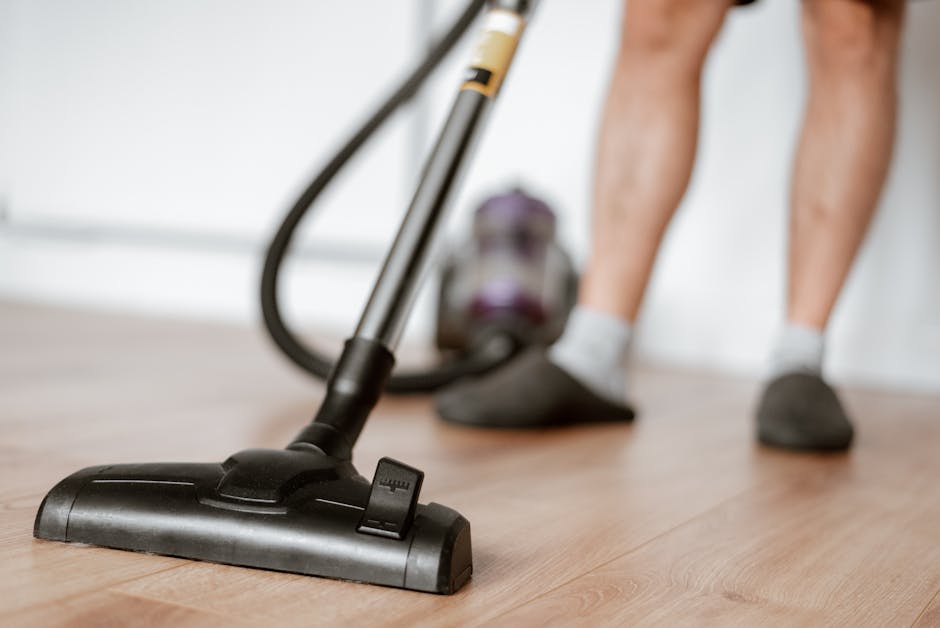
Vacuum carpets, rugs, and upholstery slowly enough to lift embedded dust rather than just moving it around. For hard floors, use a barely damp mop rather than soaking the surface. On wood, excess water is the enemy. On stone, the wrong product can leave a dull film.
6. Finish with touchpoints
Wipe switches, handles, rails, taps, remote controls, and intercoms. These small details are what make a flat feel truly finished. If you have ever noticed that one clean room somehow still feels off, it is often because of neglected touchpoints.
7. Inspect like a resident, not a cleaner
Stand back and look at the flat in natural light if possible. Check mirrors, edges, corners, and reflective surfaces. A quick final scan often catches streaks, footprints, or missed dust that you would not spot mid-task.
Expert Tips for Better Results
After enough cleaning cycles, certain habits prove their worth. They are not dramatic, but they make a real difference.
- Use the least aggressive product that gets the job done. Premium interiors do not always need strong chemicals.
- Keep two sets of cloths. One for bathrooms and one for kitchens reduces cross-use and keeps hygiene standards cleaner.
- Work in sections. A flat feels less overwhelming if you complete one room before moving on.
- Respect drying time. Wiping too soon can undo the finish and leave streaks or residue.
- Save the floors for last. This avoids walking dirt back into freshly cleaned areas.
One practical local insight: in high-end flats, the visible difference often comes from the edges. A clean mirror is good; a clean mirror with polished frame edges and no water marks is better. That is the level people subconsciously register.
For residents managing regular upkeep alongside busy schedules, it may help to review pricing and quote options before deciding how much should be handled personally versus professionally. The right choice is usually the one that keeps standards high without creating extra stress.
Common Mistakes to Avoid
Even experienced residents slip into habits that make cleaning harder than it needs to be. Avoiding a few common mistakes will save you time and protect the flat.
- Using too much product: More cleaner does not equal better cleaning. It often leaves residue behind.
- Ignoring build-up: Waiting until surfaces look visibly dirty makes the job longer and harsher on materials.
- Cleaning in the wrong order: If you mop before dusting, you will likely repeat work.
- Using abrasive cloths on delicate finishes: High-gloss fronts and polished stone can scratch surprisingly easily.
- Forgetting ventilation: Moisture left in bathrooms or kitchens can create lingering smells and mould risk.
Another common issue is assuming every property needs the same schedule. A flat that is occupied daily has different needs from a pied-a-terre used a few days a month. To be fair, that sounds obvious, but it gets missed often enough to be worth saying.
For resident confidence and peace of mind, it is sensible to work with providers whose standards are transparent. Resources such as health and safety guidance and insurance and safety information are useful indicators of a more professional operation.
Tools, Resources and Recommendations
You do not need a van full of equipment to keep a Mount Street flat in good shape. A compact, reliable kit is usually better than a complicated one.
| Tool or Resource | Best Use | Why It Helps |
|---|---|---|
| Microfibre cloths | Dusting and polishing | Lift debris effectively and reduce streaks |
| Soft vacuum attachments | Upholstery, corners, skirting boards | Help reach delicate or narrow areas |
| Neutral floor cleaner | Stone and sealed hard floors | Safer for premium finishes than harsh solutions |
| Limescale remover | Bathroom taps, shower screens, sinks | Targets mineral build-up without endless scrubbing |
| Soft-bristled brush | Grout lines and awkward edges | Reaches detail without damaging surfaces |
Beyond equipment, the most useful resource is a sensible service plan. If you need recurring help, compare domestic cleaning in Mayfair with specialist add-ons such as upholstery cleaning and carpet maintenance. A targeted combination is often better than buying more products you will rarely use.
For those interested in the wider neighbourhood context, a read through Mayfair real estate and property perspective can be useful too. It is not a cleaning guide, but it does remind you why property condition matters so much in this market.
Law, Compliance, Standards, or Best Practice
Cleaning a private flat does not usually involve complex legal obligations for the resident in the way a commercial premises might, but there are still sensible standards to follow. Safe product use, clear handling of electrical items, and avoiding damage to building fabric are all part of responsible maintenance.
If you hire a professional cleaner, it is wise to confirm they have appropriate insurance, understand safe working practices, and use products correctly. In a shared building, this matters even more because hallways, entry systems, lifts, and common areas can be affected by poor handling. A cleaner should also be able to explain how they approach fragile finishes, allergens, and cleaning around occupied spaces.
For landlords and tenants, the standard is often practical rather than theoretical: leave the property in a condition that matches reasonable expectations for its type and use. That does not mean showroom perfection unless a contract says otherwise. It does mean no obvious grime, no missed buildup, and no avoidable damage caused by poor technique.
It is also worth checking service documents where appropriate. Pages like terms and conditions, privacy information, and complaints procedures can tell you a lot about how professionally a company operates. In a premium postcode, that transparency is not a luxury. It is a normal expectation.
Options, Methods, or Comparison Table
Choosing the right approach depends on your schedule, the condition of the flat, and how polished you need the result to be. Here is a simple comparison.
| Approach | Best For | Strengths | Limitations |
|---|---|---|---|
| Self-cleaning routine | Daily or weekly upkeep | Low cost, full control, flexible timing | Takes time and may miss specialist areas |
| Regular domestic cleaning | Busy residents and long-term care | Consistent finish, less stress, reliable upkeep | May not handle heavy build-up alone |
| Deep cleaning | Seasonal resets or post-renovation refresh | Targets hidden dirt, high-detail areas, and build-up | Requires more time and coordination |
| End of tenancy cleaning | Move-out or handover | Structured, thorough, inspection-focused | Usually more intensive than routine cleaning |
In practice, many Mount Street residents use a hybrid model: light upkeep themselves, periodic professional support, and specialist treatment for carpets or upholstery when needed. That is often the most sensible balance between cost and presentation.
Case Study or Real-World Example
Consider a two-bedroom Mayfair flat used by an owner who spends weekdays abroad and returns most weekends. The flat looks tidy at first glance, but after a few months, small issues become noticeable: dust on tall shelves, a dull sheen on the hob surround, water spots on taps, and a sofa that no longer looks quite as crisp as it once did.
A practical cleaning reset starts with clutter removal, then moves through dusting, bathroom descale, kitchen degreasing, and vacuuming upholstery and carpets. Instead of trying to do everything in one rushed visit, the owner divides the task into zones. The result is calmer, quicker, and far more effective. The flat looks fresh again, but just as importantly, the owner can now maintain it with a lighter weekly routine.
This is a common Mayfair pattern. The issue is rarely dramatic dirt. It is accumulation. Once you interrupt that cycle, the flat becomes much easier to manage.
If the property is being prepared for a sale or new letting, it can also help to review broader local guidance such as selling houses in Mayfair and how local spaces are used for entertaining. Both highlight why presentation, atmosphere, and upkeep have such strong commercial value in this part of London.
Practical Checklist
Use this checklist for a sensible flat clean in Mount Street and the surrounding W1J area.
- Declutter surfaces before starting
- Dust from top to bottom
- Clean mirrors and reflective surfaces last
- Wipe kitchen fronts, handles, and appliance touchpoints
- Remove limescale from taps, sinks, and shower screens where needed
- Vacuum carpets, rugs, and upholstered seating slowly
- Mop hard floors with the right cleaner and minimal moisture
- Sanitise switches, handles, and intercom buttons
- Check corners, ledges, and skirting boards for missed dust
- Ventilate rooms after using water or cleaning products
- Inspect the result in daylight if possible
- Schedule the next maintenance clean before dirt builds up again
Key takeaway: the best cleaning routine is the one you can repeat comfortably. A flat that stays consistently cared for is easier to live in, easier to show, and easier to keep valuable.
Conclusion
A Mount Street flat deserves a cleaning approach that matches its setting: careful, methodical, and built around presentation as much as hygiene. Once you understand which areas matter most, which products suit your finishes, and when to bring in specialist help, the whole job becomes far less daunting. That is really the point of this guide: to make your routine simpler while improving the result.
If you are managing a routine clean, preparing for guests, planning a move, or refreshing a property after a busy period, consistency will always outperform a frantic one-off effort. Focus on the right sequence, respect your materials, and keep your standards steady. The flat will thank you for it.
Get a free quote today and see how much you can save.
Frequently Asked Questions
How often should a Mount Street flat be cleaned?
For most residents, light cleaning weekly and a deeper reset every so often works well. If the flat has frequent visitors, pets, or heavy foot traffic, you may need more frequent attention.
What is the difference between regular cleaning and deep cleaning?
Regular cleaning covers the visible day-to-day tasks such as dusting, wiping, vacuuming, and bathroom upkeep. Deep cleaning goes further, targeting build-up, hidden corners, edges, and neglected areas like behind appliances or under furniture.
Are professional cleaners worth it for a Mayfair flat?
Often, yes. In a premium property, professional cleaning can save time, protect delicate finishes, and deliver a more consistent standard than a rushed DIY approach. It is especially helpful for move-outs, pre-event refreshes, or seasonal deep cleans.
Which areas of a flat need the most attention?
Kitchens and bathrooms usually need the most detailed work. In Mount Street flats, floors, upholstery, mirrors, and high-touch points also matter because they shape the overall impression quickly.
Can I use strong chemicals on stone or wood surfaces?
Not without care. Some strong products can damage natural stone, dull polished finishes, or strip protective coatings. Always check suitability first and test on a discreet area if you are unsure.
What should I clean first in a flat?
Start with decluttering, then dust high surfaces first, followed by kitchens, bathrooms, and floors last. This order prevents you from moving dirt onto already cleaned areas.
Is end of tenancy cleaning different from normal cleaning?
Yes. End of tenancy cleaning is typically more thorough and inspection-focused. It is designed to cover the full property in a way that supports handover expectations, not just day-to-day living.
How do I keep upholstery and carpets looking fresh?
Vacuum regularly, treat spills quickly, and avoid over-wetting fabrics. For deeper care, professional upholstery and carpet cleaning can help remove embedded dirt and prolong the life of the materials.
What should I check before hiring a cleaner?
Look for clear service descriptions, insurance information, safety practices, and transparent terms. These details matter because they tell you how carefully the company handles your property and your data.
Can a cleaner handle fragile or high-value interiors?
Yes, if they have the right experience and use appropriate methods. The key is communication. Let them know about delicate surfaces, antique items, specialist flooring, or any areas that need extra caution.
How can I keep a flat clean between professional visits?
Focus on the daily basics: wiping kitchen surfaces, clearing bathroom moisture, vacuuming high-traffic zones, and keeping clutter under control. Small, regular effort makes the next professional visit far more effective.
Where can I learn more about cleaning services and related support?
You can explore the wider service range through the services overview, check the about page for company background, or review support pages like payment and security and accessibility information.