Mayfair Cleaner in Mayfair

Mayfair Cleaner in Mayfair provides domestic and commercial cleaning services shaped around careful, practical upkeep rather than one-size-fits-all routines. The main focus is thorough cleaning for homes and workplaces, with options that can be adapted to regular maintenance, deeper cleans or a more specific task such as carpets, ovens, upholstery or windows. If you are comparing service levels, the aim is simple: a clean that suits the space, the schedule and the condition of the surfaces.
Our work can cover individual rooms, whole properties or targeted areas that need more attention. In a setting with mixed finishes, ornaments, soft furnishings and delicate surfaces, a considered approach matters. We use the term cleaning in the broad practical sense: removing built-up dirt, freshening high-use areas and restoring a presentable standard without overcomplicating the process. Pricing and quotes are discussed clearly so you can weigh the scope of work against the type of clean required.
Some customers need a routine visit, while others want a one-off clean after a busy period, before guests arrive or when a property needs a more detailed reset. The service can be planned around everyday living, letting rooms stay usable while the work is carried out in a sensible order. For a straightforward enquiry, you can begin with a brief outline of the property and the areas that matter most. Contact us when you are ready to talk through the next step.
Domestic cleaning for homes and apartments
Domestic cleaning is the core service for people who want consistent help with household upkeep. It can include dusting, vacuuming, mopping, wiping accessible surfaces and refreshing bathrooms and kitchens, along with attention to everyday build-up in places that see frequent use. The work is best approached as a sequence of tasks rather than a rushed surface clean, so each room gets the appropriate level of attention without unnecessary disruption.
In a home, priorities often shift from week to week. One visit may focus on living areas and floors, while another concentrates on sinks, taps, hobs and other touchpoints. Domestic cleaning is useful when you want a dependable tidy-up of recurring tasks without having to reorganise the rest of your day around them. It can also be combined with deeper attention in selected rooms where grime tends to gather over time.
What a regular clean can include
For many properties, regular cleaning is most effective when it follows a familiar order. Common tasks include surfaces, floors, bins, mirrors, bathroom fittings and kitchen worktops, but the exact sequence depends on the property and the access available. If a room contains a lot of decorative pieces or mixed materials, a more careful method may be needed so that polished, painted and soft finishes are handled appropriately. Good preparation is usually simple: a short note on the main rooms, any priorities and the general condition is often enough to shape a sensible plan.
Deep cleaning for a more detailed reset

Deep cleaning is suited to properties that need more than routine maintenance. It goes further into corners, edges and built-up areas, and it often includes tasks that are not part of an everyday visit. This may mean detailed wiping, extra attention to kitchen grease, bathroom residue, skirting boards, fittings and other surfaces where accumulated dirt has settled. It is a practical option when a home has not been cleaned thoroughly for a while or when a more exacting finish is required.
Deep cleaning can be arranged as a standalone service or used to bring a property back to a manageable standard before lighter upkeep begins. Because the work is more detailed, it is sensible to consider the rooms that need the greatest effort first. Not every area needs the same treatment, and a good plan separates high-priority spaces from those that only require a lighter pass. That keeps the job focused and avoids unnecessary work.
For detailed cleans, small practical notes help shape the visit: which rooms matter most, whether any surfaces are especially delicate, and whether there are fixtures that should be handled carefully. You do not need to write a full inventory, but a short outline can prevent confusion and help set expectations. If you are weighing up a deeper clean against a lighter visit, it is often the level of built-up dirt that makes the decision clear rather than the size of the property alone. One-off cleaning may suit situations where a single thorough visit is the right starting point.
End of tenancy and move-related cleaning
End of tenancy cleaning is designed for rented properties that need to be handed back in a clean and orderly state. It is usually more detailed than a standard domestic visit, with closer attention to kitchens, bathrooms, floors, cupboards and other parts of the property that are commonly inspected at the end of a stay. The aim is to leave the space presentable and tidy, with key surfaces cleaned consistently from room to room.
This type of work benefits from a structured approach because the expectations are often broader than for a normal household clean. End of tenancy cleaning may involve moving through each room in sequence so that visible areas, storage spaces and fixtures are handled methodically. It is also useful where the property has seen heavy use and needs a more comprehensive clean before inspection, reoccupation or refreshing for a new occupant.
Move-related cleaning often comes down to timing and scope. A property may need a full internal clean after furniture has gone, or it may only require selective attention in particular rooms. It helps to note whether appliances, fittings or storage areas should be included, as these can change the amount of work involved. If you are comparing options, a clear discussion of what is expected will usually be more useful than broad assumptions. Specificity saves time and helps the work match the condition of the property.
Specialist cleaning for carpets, upholstery and soft furnishings
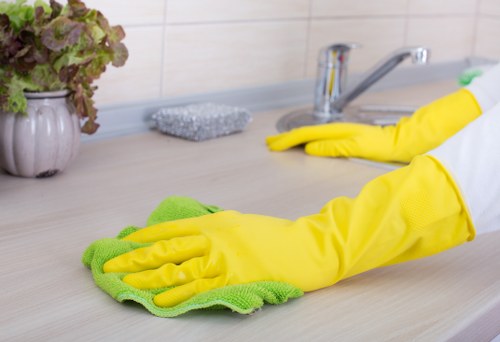
Some surfaces need a specialist approach because they trap dust, spills and everyday wear differently from hard floors or painted walls. Carpet cleaning, rug cleaning, sofa cleaning and upholstery cleaning are all aimed at treating textile surfaces with the right method for their material and condition. These jobs are useful when a room looks tired for reasons that are not solved by ordinary dusting alone, or when particular items need focused attention rather than a whole-property clean.
Carpet cleaning can help refresh traffic areas and reduce the look of general soiling, while rug cleaning is better suited to loose floor coverings that may be decorative, delicate or uneven in texture. Soft furnishings often need more careful handling because fibre type, construction and previous wear all matter. In those cases, the emphasis is on matching the method to the surface instead of using a broad, blunt technique that could be less suitable.
Choosing the right textile service
The right choice depends on what you want to improve. A carpet may need attention along hallways and entrances, while a sofa may mainly need freshening where it has been used most. Sofa cleaning and upholstery cleaning are often best considered separately from the rest of the room because furniture can vary in fabric, shape and access. If you are unsure which service fits, describe the item, its material and the type of marks or wear you have noticed; that is usually enough to establish the sensible starting point.
Kitchen and appliance cleaning
Kitchens benefit from targeted cleaning because they combine food preparation, moisture and grease in one space. An ordinary tidy may leave the room looking acceptable, but it does not always deal with build-up around cooking areas, extraction zones, splash points or the inside of appliances. Kitchen-related work is therefore often best approached as a more detailed task that focuses on the surfaces and fittings most likely to show wear first.
Oven cleaning is a practical standalone service when the appliance itself needs attention rather than the whole kitchen. It may include internal surfaces, trays, racks and glass, depending on the condition and design of the oven. In homes where cooking is frequent, this can be one of the most useful specialist tasks because it restores a cleanable appliance to a more presentable state and reduces the look of burnt-on residue that routine wiping will not remove.
The same principle applies to broader kitchen cleaning: focus on the parts that gather residue fastest and leave the rest tidy and usable. Surfaces, handles, splashbacks and external appliance fronts are often the most visible areas, while inside cupboards or around fixtures may need extra work if grime has collected over time. If your main concern is a single appliance rather than the whole room, it is worth saying so plainly. That helps us match the work to the actual job rather than adding unnecessary tasks. Oven cleaner service is another way to discuss the same specialist need when you are comparing page options.
Window and hard floor cleaning
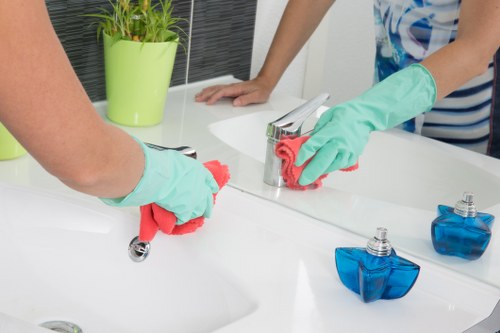
Window cleaning and hard floor cleaning are important where brightness, presentation and clean movement surfaces matter. Windows influence how a room feels, especially when natural light is a key feature, while floors set the tone for the whole interior. When these surfaces are cared for properly, the room looks cleaner even before any decorative or furniture details are considered. The job can be straightforward, but it still benefits from the right tools and a steady method.
Window cleaning is useful for removing general dirt and marks from glass and surrounding frames, subject to the access and the type of windows involved. Hard floor cleaning is more varied, because tiled, sealed, stone or similar surfaces can all need different handling. The aim is not only to make them look better, but also to clean them in a way that respects the finish and avoids leaving residue behind. That means the process should be tailored rather than treated as a generic wipe-down.
Where floors are part of a larger clean, it makes sense to plan them alongside adjacent spaces. Hallways, entrances and kitchens often show the most foot traffic, and the work may need to account for furniture positions or drying time. For windows, access and reach matter more than volume, so a short description of the property layout is helpful. If you need several room types handled in one visit, grouping the tasks carefully usually leads to a tidier and more efficient outcome.
Office and workplace cleaning
Office cleaning is aimed at keeping workplaces clean, orderly and suitable for daily use. That can involve desks, meeting areas, kitchens, washrooms, floors and shared touchpoints, with the exact mix depending on how the space is used. In a professional environment, cleanliness is not only about appearance; it also helps keep shared areas manageable and ensures the workplace starts the day in a presentable condition.
Office cleaning can be adapted to small premises, larger suites or multi-room layouts, and office cleaners may focus on regular upkeep rather than occasional deep work. There is often a clear difference between routine maintenance and a more thorough reset, so it helps to decide whether the priority is daily order, periodic tidying or a deeper clean in selected areas. Workplaces with kitchens or reception areas can also benefit from more concentrated attention in those visible parts.
Planning workplace tasks sensibly
When arranging office work, a concise brief is usually enough. Note the rooms, the floors, any shared kitchen or washroom areas and whether there are materials or equipment that need careful handling. It is also sensible to mention if some tasks should be completed out of hours or in a particular order. With that information, the clean can be organised around practical access rather than guesswork, which keeps disruption low and the result more consistent.
House clearance and post-clearance cleaning
House clearance is different from routine cleaning, but the two often overlap when a property needs to be emptied before further work can begin. Clearing unwanted items creates access to surfaces, floors and storage spaces that may then need cleaning in their own right. In that situation, the work is less about decoration or presentation and more about making the property manageable, tidy and ready for its next stage.
House clearance can be a useful part of preparing a property after a move, a sale or a period when rooms have accumulated items that are no longer needed. Once space has been cleared, the remaining surfaces and floors can be cleaned more effectively. That is especially important where dust has settled behind stored belongings or where rooms have been difficult to reach for some time. A good result often depends on sequencing the tasks properly.
In some cases the useful decision is whether to clear first and clean afterwards, or to combine both steps in a more measured plan. Not every property needs the same level of intervention, and not every room needs to be approached in the same order. If you are unsure which is the priority, describe the state of the space and the practical aim. That allows the work to be matched to the condition of the property without assuming more than is necessary. Clear access makes careful cleaning easier, especially in rooms with a lot of stored items.
One-off cleaning and occasional support

One-off cleaning is a flexible option when the property needs attention at a specific point rather than on a recurring schedule. It can be used for seasonal freshening, before visitors arrive, after a busy period or whenever household tasks have built up beyond the usual routine. The service is not tied to a fixed cycle, so the work can be centred on the parts of the property that matter most at that moment.
One-off cleaning can overlap with domestic, deep or specialist tasks, depending on what is required. In practice, that might mean combining general room cleaning with a focused effort on bathrooms, kitchens, carpets or windows. The value of a one-off visit lies in its flexibility: it can be shaped around the condition of the property without forcing it into a standard package that does not quite fit.
If you are planning a single visit, it helps to think about the rooms that will make the greatest difference once cleaned. A short list of priorities is usually enough, and it is better than trying to cover every possible task in a vague way. Mention any surfaces that need gentle handling, any rooms you want treated first and whether there are particular items that should stay in place. Then request a quotation in plain terms so the scope is clear from the outset.
About Mayfair
Mayfair is an affluent district in the West End of London, lying between Hyde Park and the retail and theatre streets of the city centre. Its street pattern reflects a planned Georgian development that began in the eighteenth century, and much of the area is still known for elegant terraces, mansion blocks and discreet mews streets. Grosvenor Square remains one of its best-known open spaces, while Berkeley Square, Hanover Square and Mount Street are among the names that appear frequently in maps, histories and everyday directions. The district’s architecture combines preserved period façades with later commercial and residential redevelopment, creating a landscape that feels layered rather than uniform. Public life in Mayfair is shaped by galleries, hotels, restaurants, members’ clubs and high-end shops, but it also contains quieter pockets away from the busiest roads. Green space is close at hand through Hyde Park and Green Park, and the area’s position means it connects easily to the wider West End, Soho and St James’s. The place name has become strongly associated with prestige, yet the district remains a real and mixed urban neighbourhood with offices, homes, services and foot traffic moving through it each day. Its history, street names and built form make it one of central London’s most recognisable quarters, with a character that is both ceremonial and residential.
Choosing a cleaning service and requesting a quotation
Picking the right service begins with the surface or space that needs attention. A regular household clean, a more detailed reset, a specialist textile treatment or a workplace clean each calls for a different emphasis, even when they are all part of the same property. If you want practical value from the enquiry, focus on what needs cleaning, how often it is needed and whether there are any fragile materials, awkward access points or high-priority rooms. That gives a much clearer basis for a quotation than a broad request alone.
It can also help to separate what must be included from what would simply be nice to have. For example, a carpet may need focused treatment, while the rest of the room only needs routine attention; or an office may need shared areas prioritised before desks and meeting rooms. When the scope is clear, the service can be matched more accurately and the quotation can reflect the real work involved. If you are still deciding, a brief conversation about the options is often enough to narrow the choice. About us gives a straightforward overview of the business, while contact us remains the clearest route to start your request.
For a clean that suits the property rather than forcing the property to suit the clean, send the key details and ask for a quotation in plain language. You can mention the main rooms, the type of surfaces, any specialist items and the level of detail you want. That keeps the enquiry useful without turning it into a long checklist. Ask for a quotation when you are ready to compare the scope and choose the right service.