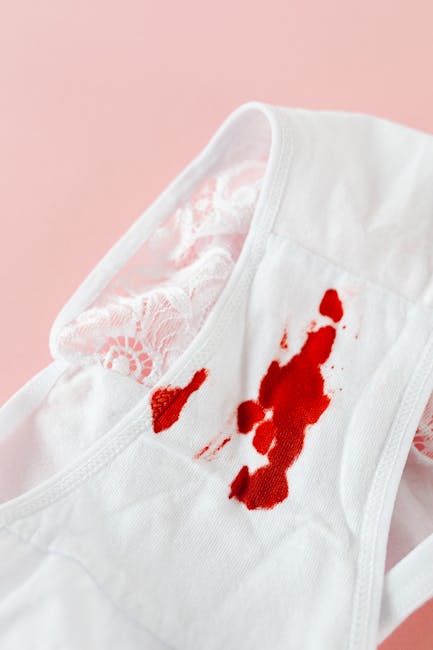
Post-event stain removal for Mayfair party flats: a practical guide for fast, careful recovery
Late-night laughter, a few too many glasses of red, someone balancing canapes near a cream rug... and then the little moment no one wants to see: a stain. In Mayfair, where flats often have elegant finishes, fitted carpets, and upholstered furniture that doesn't forgive sloppy cleaning, post-event stain removal for Mayfair party flats is less about panic and more about doing the right thing quickly.
Whether you've hosted a birthday dinner, a small private gathering, a client drinks reception, or an after-party that ran a bit longer than planned, the clean-up needs to be careful. The wrong wipe can spread a mark, damage fibres, or leave a water ring that looks worse than the original spill. This guide explains what works, what to avoid, and how to get a flat back to normal without turning a simple stain into a bigger headache. Truth be told, that's usually the real goal: no drama, just a proper reset.
If you're also thinking about longer-term upkeep after entertaining, our guides on carpet cleaning in Mayfair W1K and upholstery cleaning in Mayfair W1K can help you see where professional support fits in.
Table of Contents
- Why post-event stain removal matters
- How the cleaning process works
- Key benefits and practical advantages
- Who this is for and when it makes sense
- Step-by-step guidance
- Expert tips for better results
- Common mistakes to avoid
- Tools, resources and recommendations
- Law, compliance, standards and best practice
- Options, methods and comparison table
- Case study or real-world example
- Practical checklist
- Conclusion
- Frequently asked questions
Why Post-event stain removal for Mayfair party flats Matters
Party flats in Mayfair tend to have a particular kind of finish: polished floors, quality carpet, tailored upholstery, stone surfaces, lacquered furniture, and sometimes narrow layouts that make spills travel faster than you'd expect. A single spill near a doorway can be stepped through the whole flat in ten minutes. It happens. The music's on, someone's chatting by the kitchen, and suddenly the stain has migrated from one room to another.
That is why post-event stain removal for Mayfair party flats matters so much. The issue is not just appearance, although that is a big part of it. It's also about preventing permanent fibre damage, odour build-up, colour transfer, and residue that attracts more dirt later. A rushed clean can leave sticky patches that look fine that night but show up in daylight the next morning. Not ideal, especially in a flat with lots of natural light.
In a managed building, there is another practical layer too. You may need to preserve common-area cleanliness, avoid complaints from neighbours, and keep the property in a condition that suits future guests or tenants. If the flat is rented or used for short stays, quick recovery is even more important. For landlords and investors, the wider context matters, and our article on your Mayfair property investment blueprint explores why maintenance decisions affect long-term value.
There's also a reputation element. Mayfair living carries expectations. That doesn't mean every party has to be flawless - far from it - but it does mean the aftermath should be handled with care and discretion.
How Post-event stain removal for Mayfair party flats Works
Effective stain removal is less about scrubbing harder and more about matching the method to the spill. A good cleaner starts by identifying the material, the type of stain, and how long it has been sitting there. Fresh wine on a wool-blend carpet is treated differently from dried food on a velvet chair, and neither should be handled the same way as a greasy mark on painted wood.
The process usually follows a few sensible stages:
- Assessment: identify the surface, stain type, and any risk of dye transfer or shrinkage.
- Spot treatment: apply the right cleaning solution in a controlled way rather than flooding the area.
- Agitation: use gentle mechanical action where suitable, such as blotting or soft brushing.
- Extraction or removal: lift the stain and cleaning residue without soaking the material.
- Rinse and dry: remove leftover solution and speed up drying to prevent rings or odours.
That sounds straightforward, and often it is. But the detail matters. For example, an over-wet carpet can wick stain back to the surface as it dries, which means the mark appears to come back like a bad sequel. A professional approach keeps moisture controlled and finishes with proper inspection under natural light, not just at midnight under warm bulbs.
In flats with mixed materials, professionals often move room by room. Carpet first, then upholstery, then hard surfaces, because one careless pass can transfer soil from one item to another. If seating has taken the brunt of the evening, you may also want to look at specialist upholstery cleaning to avoid fabric damage and lingering smells.
Key Benefits and Practical Advantages
Good post-event cleaning does more than remove marks. It resets the flat. That is the real benefit, and people often notice it straight away - the room feels lighter, smells fresher, and suddenly you stop seeing the stain every time you walk past it.
- Protects expensive finishes: Mayfair flats often include higher-grade carpets and furnishings that need gentle treatment.
- Reduces the risk of permanent staining: The sooner the right method is used, the better the result.
- Controls odour: Drinks spills, dairy-based sauces, and food residue can smell worse the next day if ignored.
- Helps with guest readiness: Useful for serviced flats, rental units, or homes with back-to-back bookings.
- Supports property upkeep: Regular recovery cleaning is often cheaper than replacing damaged items later.
- Improves presentation: Important when the flat is being sold, let, or shown to visitors.
There is also a subtle emotional benefit. After hosting, people want the place to feel calm again. You know the feeling - the glasses are washed, the bins are out, but there's still a red mark by the sofa. Once it's removed properly, the flat stops feeling like "the morning after" and starts feeling like home again.
For broader after-event or one-off support, many residents combine targeted stain treatment with house cleaning in Mayfair W1K or domestic cleaning in Mayfair W1K so the whole space is refreshed rather than only the visible patch.
Who This Is For and When It Makes Sense
This kind of cleaning is relevant for a few different people, and they each have slightly different priorities. A homeowner hosting a private dinner wants the flat back to normal quickly. A landlord needs to protect assets. A short-let operator wants the next guest to arrive to a spotless space. And a tenant, especially near the end of a tenancy, may need to avoid deductions or awkward conversations. Fair enough.
It makes sense if you are dealing with:
- wine, champagne, cocktail, or coffee spills on fabric or carpet
- food stains from sauces, chocolate, or oils
- makeup, perfume, or self-tan marks on light textiles
- mud, outdoor dirt, or street grime tracked in during arrivals and departures
- water rings, condensation marks, or heat marks on furniture surfaces
- general post-party residue where several small issues have become one bigger mess
It is also sensible when you are short on time. Maybe the flat needs to be view-ready before lunch. Maybe guests are arriving the same evening. Or maybe you just don't want to spend Sunday morning on your knees with a cloth and a growing sense of regret.
For people managing property turnover, our guide on end of tenancy cleaning in Mayfair W1K may be especially useful, since stain removal often sits inside a much wider exit-clean requirement.
Step-by-Step Guidance
If you want the best chance of saving a surface, the big rule is simple: act early, but gently. Panic is the enemy here. So is heavy rubbing. The steps below are a sensible approach for common post-event spills before you decide whether deeper treatment is needed.
1. Identify the stain
Ask what it is, how long it has been there, and what surface it touched. Is it water-based, oily, sugary, or pigmented? Was it on wool, synthetic carpet, linen, velvet, leather, stone, laminate, or painted wood? That first decision shapes everything else.
2. Remove loose residue
Pick up solids carefully with a spoon or blunt edge. Don't press them down. If crumbs or debris are left in place, they can grind into the fibres while you work on the stain itself.
3. Blot, don't scrub
Use a clean white cloth or paper towel and blot from the outside of the stain inward. Rubbing spreads the mark and can fuzz the fabric. It's a classic mistake. Everyone thinks they need to scrub; in most cases, they really don't.
4. Test in a hidden area
Before applying anything to a visible section, test it somewhere discreet. This is especially important on dyed upholstery, delicate carpets, and natural fabrics. A solution that looks harmless can still shift colour or leave a halo.
5. Use minimal solution
Apply the cleaning product sparingly. Too much liquid soaks deeper into the material and can create a tide mark. Small amounts, worked gradually, are usually safer than one enthusiastic dousing.
6. Lift and rinse
Once the stain begins to move, blot away the residue and, where appropriate, lightly rinse with clean water to stop any cleaner residue from staying behind. Residue attracts dirt, which means the area can look tired again quite quickly.
7. Dry properly
Open windows where practical, use airflow, and avoid using the item too soon. A damp patch can draw soil up from below, and nobody wants a stain that seems to "return" the next day.
8. Reassess in daylight
Daylight shows the truth. A mark that hides well under evening lighting may still be there in the morning. If needed, repeat carefully or bring in a professional with the right equipment.
Expert Tips for Better Results
The best results usually come from small, disciplined habits rather than dramatic effort. Here are a few things that make a real difference.
- Work from the outside in: this keeps the stain compact.
- Use white cloths: coloured cloths can transfer dye, which is one more problem you really do not need.
- Keep water under control: excess moisture causes rings, wicking, and longer drying times.
- Match the treatment to the surface: upholstery and carpet may look similar from a distance, but they behave very differently.
- Ventilate without overdoing it: steady airflow is helpful; blasting heat too close to fabric is not.
- Deal with odours early: a visible stain and a smell often come from the same residue, so don't ignore the air in the room.
A small practical note: for delicate items, less really is more. The most polished-looking jobs are often the quiet ones - not the ones where someone went at a sofa like it had personally offended them.
If the event was large or the flat has multiple textiles, combining spot work with a deeper service such as house cleaning can make the recovery feel much more complete.
Common Mistakes to Avoid
Most stain problems become harder because of a few repeat mistakes. The good news is that they're avoidable once you know them.
- Scrubbing aggressively: this can damage pile, spread pigment, or flatten fabric texture.
- Using random household chemicals: mixing products is risky, and some ingredients can react badly together.
- Adding too much water: oversaturation creates deeper stains and longer drying times.
- Ignoring the fibre type: wool, silk, linen, polyester, and blends all behave differently.
- Leaving spill spots until the next day: stains set as they dry, especially sugary or oily ones.
- Forgetting hidden contamination: what looks like a small spill may have soaked under cushions, skirting, or rugs.
Another frequent issue in party flats is cross-contamination. Someone cleans a stain with the same cloth used on a table edge, then transfers residue from one surface to another. It's a tiny thing, but that is how "just a spot" becomes a broader clean-up.
And yes, sometimes the mistake is simply trying to do everything in a rush while guests are still hovering around the kitchen asking where the corkscrew is.
Tools, Resources and Recommendations
You do not need a warehouse of specialist kit, but a few sensible tools make stain removal easier and safer. For regular post-event recovery, a well-prepared flat should have:
- clean white microfibre cloths
- paper towels for initial blotting
- a soft brush for delicate fibres
- a small bowl for diluted cleaning solution
- gloves for handling messy residues
- fans or good natural airflow for drying
- a vacuum with an upholstery attachment
For flats with more demanding surfaces, professional equipment can make a meaningful difference. That includes extraction tools for carpet, fabric-safe upholstery systems, and pH-aware spot treatments designed for different stain types. If carpets are the main issue after a gathering, take a look at Mayfair carpet cleaning support to see how targeted treatment fits into a wider clean.
For apartment owners who use the flat for entertaining or short stays, it can also help to set up a tiny post-event kit in advance. Keep it simple. A few cloths, a bottle of plain water, paper towels, and clear instructions are often enough to stop a small accident becoming a story everyone remembers.
Law, Compliance, Standards and Best Practice
For most readers, the main compliance concern is not a complicated legal one but a practical duty of care. If you are a landlord, managing agent, host, or occupier, you are generally expected to keep the property safe, reasonably clean, and not create avoidable damage for others. In shared buildings, you also want to avoid wet residue or chemical smells drifting into communal areas.
There are a few sensible best-practice principles worth following:
- Use products safely: read labels carefully and avoid mixing chemicals.
- Protect delicate materials: if a surface is valuable or unusual, treat it cautiously.
- Keep records where relevant: landlords and agents may want before-and-after notes for inventory or handover purposes.
- Allow proper drying: this reduces slip risk and helps prevent secondary staining.
- Respect building rules: some blocks have expectations around service access, waste disposal, and noise during quiet hours.
If a stain is linked to smoke, bodily fluids, or bio-contamination, the job is no longer a simple spot clean. At that point, the safest approach is usually to bring in trained help. Better to be cautious than guess. That goes for chemical sensitivity too, especially in compact flats where ventilation may be limited.
Options, Methods and Comparison Table
Not every stain needs the same level of intervention. Sometimes a quick blot and a careful follow-up is enough. Other times, the mark has settled into the pile or fabric and needs a proper treatment plan. Here's a straightforward comparison.
| Method | Best for | Advantages | Limitations |
|---|---|---|---|
| Immediate blotting and spot care | Fresh, small spills on robust surfaces | Fast, low-cost, often effective | Not suitable for set-in stains or delicate fabrics |
| Targeted stain treatment | Individual marks on carpet or upholstery | More controlled, better for visible problem areas | Still depends on the stain type and fibre condition |
| Deep carpet or upholstery cleaning | Multiple marks, odours, or widespread soil | More thorough and more consistent | Takes longer and may require drying time |
| Full post-event clean | Party flats with several affected surfaces | Best for a full reset, presentation, and peace of mind | More involved, though often the most sensible option |
In practice, many people start with spot removal and then move to a broader clean if the flat still feels tired afterwards. That is usually the sweet spot. Not too much, not too little.
Case Study or Real-World Example
Imagine a Mayfair flat after a small birthday gathering. Nothing wild. Just a few guests, red wine, grazing plates, and a soft cream sofa that looked beautiful at 6 p.m. By 11 p.m., there's a wine splash on the arm of the sofa, a food mark on the rug near the coffee table, and a faint sticky patch around the living room edge where drinks were set down.
The first instinct is to wipe everything at once. But a better approach is to separate the problems. The rug stain gets blotted and checked for colour transfer. The sofa arm gets treated with a fabric-safe method. The sticky patch on the side table is cleaned with a residue-free solution so it doesn't become tacky again. The room is then aired out and reviewed the next morning in daylight.
What usually surprises people is not the stain itself, but the little details around it. One spill on a rug can leave the surrounding fibres looking dull. One drink ring on a side table can reveal old residue. In the same way, post-event cleaning is often about restoring the whole atmosphere, not just removing the obvious mark.
For flats used frequently for entertaining, it can be smart to think beyond the immediate clean-up and look at the broader lifestyle context. Our article on highly rated party venues in Mayfair is a good reminder of how social life in the area often overlaps with higher expectations for finish and presentation.
Practical Checklist
Use this quick checklist after a gathering. It keeps the job manageable and stops important steps getting missed.
- Identify each stain before touching it
- Blot gently with clean white cloths
- Test any cleaner in a hidden spot first
- Use the smallest amount of liquid needed
- Avoid rubbing, scrubbing, or soaking
- Check carpets, upholstery, tables, and skirting for hidden residue
- Ventilate the flat and allow full drying
- Inspect again in daylight the next morning
- Escalate to professional cleaning if marks remain
- Document damage if the flat is let or managed by an agent
If the property is part of a managed schedule, it may help to pair this process with regular office cleaning style organisation habits - not because it's an office, of course, but because structured cleaning routines work. Clean one zone, move to the next, and don't leave the room half-finished. Simple, but it works.
Get a free quote today and see how much you can save.
Conclusion
Post-event stain removal for Mayfair party flats is really about protecting the quality of the space while keeping stress low. A fast, careful response can save carpets, upholstery, and surfaces from lasting damage. It also helps the flat feel calm again after the energy of hosting, which, let's face it, is half the battle.
The key is to stay methodical: identify the stain, treat it gently, dry it properly, and know when to stop guessing. Some marks are easy. Some are stubborn. And some need the kind of careful attention that only comes from experience with delicate materials and busy London properties.
If your flat needs more than a quick wipe-down, it's usually worth taking the broader picture seriously - from fabrics and floors to presentation and turnaround time. A good clean gives you back the room, not just the stain.
And once everything is fresh again, the flat feels like itself. That's the nice part. Quiet, clean, ready for the next chapter.
Frequently Asked Questions
What is the fastest way to handle a fresh spill after a party?
Blot it immediately with a clean white cloth, work from the outside in, and avoid rubbing. The quicker you act, the less chance the stain has to settle into fibres or leave a ring.
Can I use the same method on carpets and upholstery?
Not usually. Carpets and upholstery react differently to moisture, cleaning agents, and pressure. A method that works on a synthetic carpet may be too aggressive for velvet or linen upholstery.
What stains are most common in party flats?
Wine, champagne, coffee, oily food, chocolate, makeup, and tracked-in dirt are the usual suspects. Sticky residue from drinks is also common and often overlooked until the next day.
How do I know if a stain has already set?
If the mark has dried, darkened, or still shows after a gentle blot and light treatment, it may have set deeper into the material. Dried stains usually need more careful, targeted cleaning.
Is it safe to use shop-bought stain removers on expensive fabrics?
Only with caution. Always test in a hidden area first, and avoid using a product unless you know it suits the fibre type. On valuable or delicate upholstery, professional help is often the safer route.
Will too much water make the stain worse?
Yes, it can. Over-wetting can spread the stain, cause wicking, and leave water marks or odours. Controlled moisture is much safer than soaking the area.
How long does post-event stain removal usually take?
It depends on the number of marks, the materials involved, and whether drying time is needed. A single fresh spill may be handled quickly, while a full flat reset can take longer and require a staged approach.
What should I do if the stain smells as well as looks bad?
That usually means residue has soaked in. Clean the stain as early as possible, and if the odour remains, consider deeper carpet or upholstery cleaning rather than masking the smell with air fresheners.
Can stain removal help before a tenancy handover?
Yes. It can make a noticeable difference during inventory checks and final inspections. For broader exit cleaning, a service like end of tenancy cleaning in Mayfair W1K is often the more complete option.
How do I protect a Mayfair flat after entertaining regularly?
Set up a small spill kit, clean incidents quickly, and schedule regular maintenance for carpets and upholstery. If entertaining is frequent, a planned cleaning routine is far easier than repeated rescue work after each event.
When should I bring in professionals instead of doing it myself?
Bring in professionals when the stain is large, set-in, on delicate fabric, or affecting multiple surfaces. It is also sensible if you need a quick turnaround or want to protect high-value finishes with minimal risk.
Does post-event cleaning include the whole flat or just the stain?
It can be either, but the best results usually come from cleaning the affected area and nearby surfaces together. That way, the room feels fully refreshed rather than patchy or half-finished.
For readers who want a stronger sense of the local setting around these properties, our guide to embracing the elegance of Mayfair offers a useful bit of background, and Mayfair living worth considering adds more context on why presentation matters so much in this part of London.