Health and Safety Policy for Mayfair Cleaner
 Mayfair Cleaner is committed to maintaining a safe, healthy, and responsible working environment for staff, clients, contractors, and visitors. This health and safety policy sets out the standards and practices that support safe cleaning operations, reduce risks, and promote a culture of awareness and accountability. Our approach is designed to protect people, property, and the environment while ensuring every cleaning task is carried out professionally and carefully.
The company recognises that cleaning work can involve a range of hazards, including the use of chemicals, equipment, ladders, wet floors, and manual handling. For that reason, health and safety is not treated as a separate concern but as an essential part of every cleaning assignment. All team members are expected to follow safe systems of work, report concerns promptly, and take responsibility for their own actions and the wellbeing of others.
Mayfair Cleaner will regularly review practices to ensure they remain effective, practical, and suitable for the tasks being performed. This policy applies to all cleaning activities, including domestic cleaning, office cleaning, deep cleaning, and specialist surface care. It also applies to subcontracted work where applicable, ensuring that the same high standards of safety are upheld throughout the service.
1. Responsibilities and General Principles
Every employee, supervisor, and manager has a role in supporting safe working conditions. Management is responsible for providing proper training, suitable equipment, and clear procedures. Employees must use equipment correctly, wear any required protective items, and cooperate with instructions intended to reduce risk. A proactive safety culture depends on shared responsibility, good communication, and consistent attention to detail.
Risk assessment is a key element of our policy. Before work begins, hazards are identified and practical control measures are put in place. These may include warning signage, safe cleaning methods, restricted access to treated areas, and the selection of appropriate products for specific surfaces. Where conditions change during a job, staff are expected to pause, reassess, and adjust the approach as needed.
We also expect everyone to work in a manner that prevents harm to the public and property. Cleaning products must be stored safely, floors should be left secure where possible, and equipment must not obstruct walkways, exits, or emergency routes. By applying these principles, Mayfair Cleaner helps ensure cleaning is completed efficiently without compromising safety.
2. Safe Use of Equipment and Cleaning Products
 All cleaning equipment must be maintained in good working order and used only for its intended purpose. Staff are trained to inspect vacuums, mops, extension tools, and other equipment before use, and to remove faulty items from service immediately. Electrical equipment is used with care, and cables are positioned to minimise trip hazards and prevent damage.
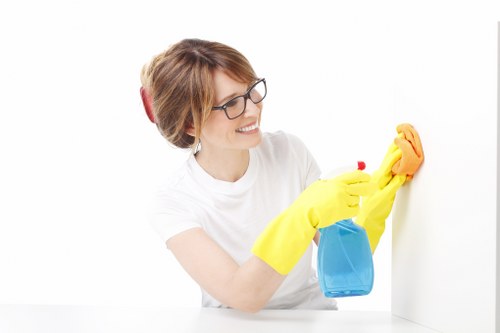
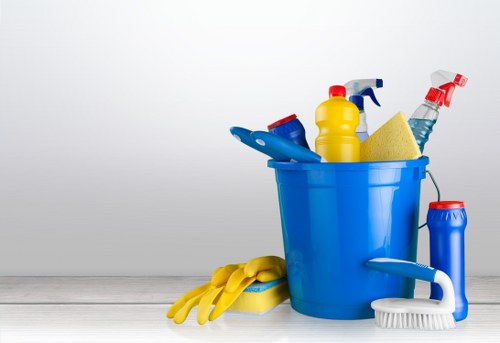
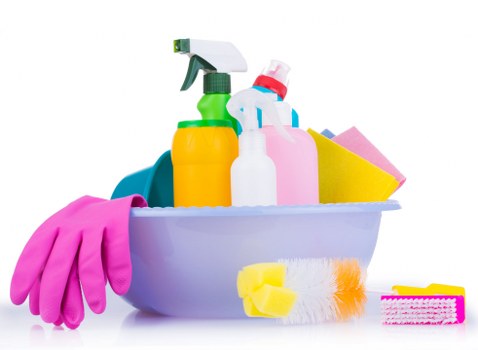
Cleaning chemicals are selected for effectiveness and suitability, but they must always be handled responsibly. Staff are required to read labels, follow dilution instructions, and never mix substances unless specifically approved. Safe chemical handling includes using gloves where necessary, ensuring adequate ventilation, and avoiding contact with skin, eyes, and food preparation areas. In all cases, products are used in a way that protects both the user and the environment.
Where specialised products are required, only trained personnel may apply them. This includes stronger treatments for stains, sanitisation procedures, or materials that need particular caution. The policy is based on the principle that effective cleaning should never come at the expense of safety, and that thoughtful product selection is part of professional service delivery.
3. Personal Safety, Training, and Incident Reporting
Training is essential to safe practice. New team members receive instruction on hazard awareness, manual handling, emergency procedures, product use, and correct cleaning techniques. Refresher training is provided when procedures change or when additional support is needed. This helps reinforce safe working habits and ensures standards remain consistent across all assignments.
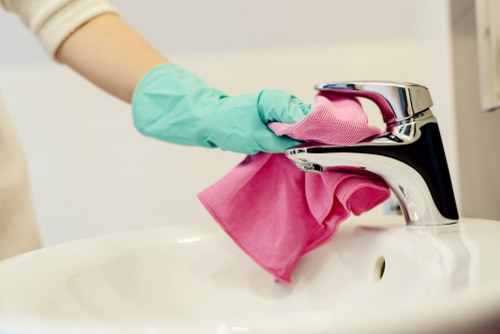
Personal protective equipment, when required, must be worn correctly and maintained in clean, usable condition. Depending on the task, this may include gloves, masks, eye protection, or non-slip footwear. Staff must also remain aware of their surroundings, especially in busy premises or areas with limited space. Good posture, controlled movement, and sensible pacing all contribute to safer work.
Any accident, near miss, or unsafe condition must be reported as soon as possible. Prompt reporting allows the company to investigate causes, take corrective action, and prevent recurrence. We view incident reporting as a constructive process rather than a fault-finding exercise. The aim is continuous improvement, stronger prevention, and better protection for everyone involved in or affected by our work.
4. Hygiene, Welfare, and Environmental Care
 Hygiene is central to our service and to our internal standards. Staff are expected to wash or sanitise hands at suitable intervals, especially after handling waste, chemicals, or contaminated materials. Cleaning cloths, mops, and reusable items are managed carefully to avoid cross-contamination. In all settings, professional cleaning hygiene supports safer outcomes and helps maintain healthy environments.
Welfare matters are also considered within this policy. Employees should take appropriate breaks, stay hydrated, and avoid working when unwell if there is a risk to themselves or others. Supervisors are encouraged to monitor workload and conditions so that fatigue does not lead to reduced concentration or unsafe decisions. A well-managed schedule contributes directly to safer, more reliable service.
The company is mindful of environmental responsibilities as part of health and safety. Whenever practical, products and methods are chosen to reduce waste, limit unnecessary exposure, and support responsible use of materials. This includes careful dosing of cleaning agents, appropriate disposal of waste, and avoiding practices that could create unnecessary risk to people or surroundings.
5. Emergency Response and Policy Review
Emergency readiness is an important part of maintaining a safe workplace. Staff are expected to know how to respond to spills, cuts, exposure incidents, fire alarms, and other urgent situations. If a hazard cannot be managed safely, work must stop until the area is made secure. In an emergency, protecting people always takes priority over completing a task.
 Where first aid or emergency assistance is required, the appropriate procedure should be followed immediately and calmly. Team members should not attempt tasks beyond their competence. Instead, they should secure the area, alert the correct personnel, and support an orderly response. This practical approach helps reduce confusion and limits the possibility of further harm.
 This policy is reviewed regularly to ensure it remains current, effective, and aligned with best practice. Updates may be made following incidents, changes in equipment, new working methods, or feedback from internal review. Mayfair Cleaner is committed to continual improvement and to maintaining a workplace where health and safety are treated as an essential part of quality service.