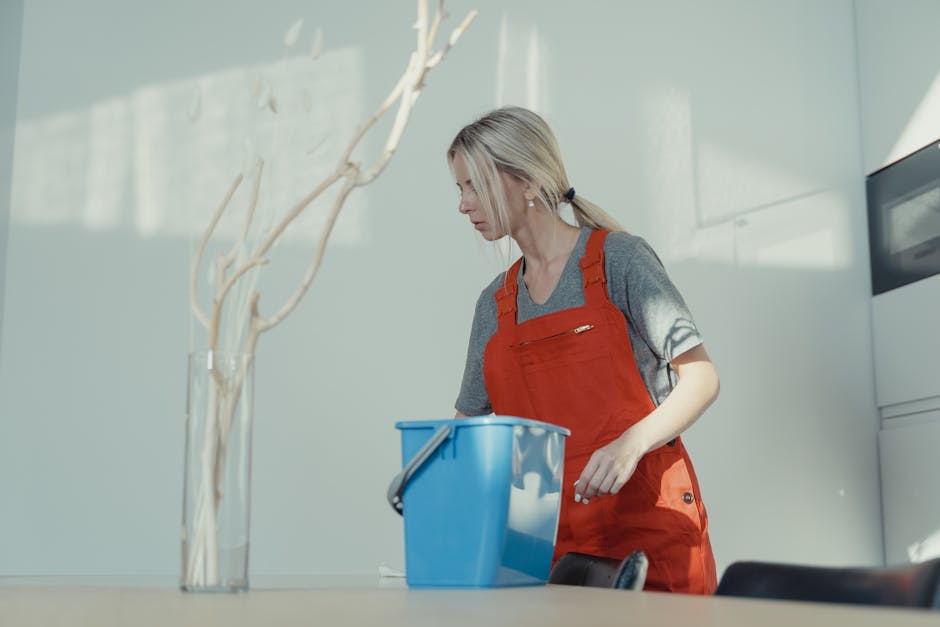
Berkeley Square Mayfair: Specialist Flat Cleaning Tips
Living or managing a flat near Berkeley Square in Mayfair comes with a certain standard. The building may be beautifully period, the finishes may be delicate, and the pace of life is often a little more polished than elsewhere in London. But that elegance can also make cleaning more demanding. Dust settles in the corners faster than you expect, stone and wood finishes need a gentler hand, and high-traffic areas can look tired quickly if they are not cared for properly. That is where Berkeley Square Mayfair: Specialist Flat Cleaning Tips becomes genuinely useful, not as a luxury extra, but as a practical way to protect the property and keep it feeling calm, fresh, and well kept.
This guide breaks down how specialist flat cleaning works in a Mayfair setting, what makes it different from routine domestic cleaning, and how to approach it without damaging valuable surfaces or wasting time. If you are a resident, landlord, letting agent, or simply someone trying to keep a well-appointed flat in order, the advice below should help. And yes, a little attention to detail goes a long way. Sometimes annoyingly so.
For readers who want to understand the broader service landscape first, you may find the services overview helpful, especially if you are comparing deep cleaning, regular domestic care, and specialist treatments for different parts of the home.
Table of Contents
- Why Berkeley Square Mayfair: Specialist Flat Cleaning Tips Matters
- How Berkeley Square Mayfair: Specialist Flat Cleaning Tips Works
- Key Benefits and Practical Advantages
- Who This Is For and When It Makes Sense
- Step-by-Step Guidance
- Expert Tips for Better Results
- Common Mistakes to Avoid
- Tools, Resources and Recommendations
- Law, Compliance, Standards, or Best Practice
- Options, Methods, or Comparison Table
- Case Study or Real-World Example
- Practical Checklist
- Conclusion
- Frequently Asked Questions
Why Berkeley Square Mayfair: Specialist Flat Cleaning Tips Matters
Berkeley Square and the surrounding Mayfair streets are known for refined properties, but the same features that make them attractive also create cleaning challenges. Many flats in the area include hardwood floors, marble or stone surfaces, sash windows, decorative mouldings, fitted joinery, upholstered furniture, and premium fixtures that do not respond well to rough treatment. Standard cleaning methods can work for modern, hard-wearing spaces. They are less reliable in a flat where finishes are more sensitive and expectations are higher.
There is also the matter of presentation. In a Mayfair flat, the difference between "clean enough" and properly maintained is often visible in the details: polished taps, lint-free soft furnishings, fresh grout lines, dust-free skirting boards, and a kitchen that does not carry lingering cooking smells. If you entertain guests, manage a rental, or prepare the flat for sale or tenancy changeover, these details matter more than most people admit.
To be fair, not every flat needs a full-scale specialist clean every week. But even a modest routine can preserve value and reduce long-term wear. That is particularly useful for landlords and owners who see the property as a long-term asset. If you are thinking in those terms, our related article on protecting a Mayfair property investment is a useful companion read.
There is also a lifestyle angle. Mayfair living is often busy, and dust, traffic residue, and everyday build-up can creep in before you notice. If you are weighing the day-to-day reality of the area, the article on Mayfair living and what makes it worth considering adds helpful local context.
How Berkeley Square Mayfair: Specialist Flat Cleaning Tips Works
Specialist flat cleaning is not just "clean more thoroughly." It is a more considered process. You identify surface types, check access, choose the right products, and work in a sequence that protects finishes while improving hygiene and appearance.
In practice, the process usually looks like this:
- Assessment: Look at materials, wear points, and priority areas. A flat with marble counters, velvet seating, and antique wood needs a different method than a modern apartment with sealed surfaces.
- Preparation: Remove clutter, protect delicate items, and clear access to edges, vents, and hidden dust traps.
- Surface-specific cleaning: Use suitable products and microfibre tools rather than broad, one-size-fits-all sprays.
- Detail work: Focus on trim, handles, switches, skirting, under furniture, appliance fronts, and other places that are easy to miss.
- Finishing: Dry and buff where needed, ventilate the space, and check for streaks, residue, or missed marks.
That sounds simple on paper. The challenge is that specialist cleaning relies on judgment. For example, a slightly damp cloth may be perfect for lacquered furniture but wrong for untreated wood. Likewise, an aggressive limescale remover may help in a bathroom but can harm natural stone. Small decisions, big consequences. Annoying, yes, but manageable with care.
For particularly sensitive furnishings, the right approach may also involve professional upholstery cleaning in your area to avoid over-wetting or fabric damage. Likewise, if floors are looking dull or dusty despite regular sweeping, carpet cleaning in Mayfair can make a striking difference to both cleanliness and air quality.
Key Benefits and Practical Advantages
The value of specialist flat cleaning is easiest to understand when you look at what it prevents, not just what it improves.
- Protects delicate finishes: Natural stone, polished wood, brass fittings, and fabric upholstery all benefit from the right products and methods.
- Improves presentation: Flats near Berkeley Square often need to look guest-ready, inspection-ready, or market-ready at short notice.
- Supports property value: Good maintenance reduces visible wear, which helps protect long-term appeal.
- Reduces build-up: Dust, grease, and allergens are easier to manage when removed consistently rather than left to accumulate.
- Saves time later: A careful routine usually prevents the need for expensive corrective cleaning.
- Helps with move-in and move-out readiness: Especially useful for tenants, landlords, and agents working to tight deadlines.
There is also a subtle comfort benefit. A well-cleaned flat feels different. The air seems lighter, surfaces feel calmer, and the whole place stops asking for attention every five minutes. That matters after a long day. It really does.
If you are arranging regular domestic support rather than an occasional specialist clean, a tailored domestic cleaning service in Mayfair can help keep standards steady between deeper visits. For full-property upkeep, house cleaning for the area may also be relevant, particularly where flats have multiple reception spaces or larger footprints.
Who This Is For and When It Makes Sense
This approach is most useful if your flat has any of the following:
- delicate or high-value finishes
- light-coloured fabrics or carpets that show marks quickly
- high-traffic areas that collect dust and debris fast
- period details that need careful cleaning
- frequent guests or entertaining
- short turnaround times between tenancies or viewings
It is also a good fit for people who simply do not want to risk damage. That includes busy professionals, landlords, executors, property managers, and anyone furnishing a flat to a standard where "good enough" is not really good enough.
One common scenario: a flat is kept tidy day to day, but the kitchen extractor, grout lines, blinds, and the tops of fitted wardrobes quietly collect grime. Nothing dramatic. Just a slow dulling effect. Then, one day, the place feels less refined than it should. Specialist cleaning is often the reset that brings it back.
If you are preparing a property for the rental market, the end of tenancy cleaning in Mayfair page is worth reviewing, because it helps set expectations around inspections, handover standards, and timing.
Step-by-Step Guidance
Here is a practical way to tackle a specialist flat clean without rushing into trouble.
1. Start with the materials, not the room
Before you clean anything, identify what each surface is made of. Marble, laminate, lacquer, stainless steel, glass, velvet, linen, wool, and untreated wood all need different handling. If you skip this bit, you are guessing. And guessing is how shine turns into streaking.
2. Work from top to bottom
Dust settles downward, so begin with high shelves, light fixtures, curtain poles, and picture rails. Then move to furniture, surfaces, and finally floors. It sounds basic, but it saves a lot of re-cleaning.
3. Deal with the kitchen in stages
The kitchen is usually the hardest-working room. Tackle grease around hobs and extractor areas first, then move to cupboard fronts, handles, splashbacks, appliance exteriors, and the floor. If there are stainless-steel surfaces, wipe with the grain to avoid visible marks.
4. Give the bathroom extra attention
In Mayfair flats, bathrooms often include stone, glass, chrome, and sometimes decorative tiling. Use non-abrasive products unless the surface can safely take more. Dry chrome and glass afterwards for a cleaner finish. A few extra seconds here makes a huge difference.
5. Treat fabrics gently
Upholstery, curtains, and cushions trap dust and odours. Vacuum with the correct attachment, test cleaning products first, and avoid saturating the fabric. If stains are stubborn or the material is delicate, use a specialist rather than pushing ahead and hoping for the best.
6. Finish with the details
Switch plates, door handles, skirting boards, window ledges, and the tops of frames are easy to miss and surprisingly visible once cleaned. These are the small touches that make a flat feel properly cared for rather than simply tidied.
7. Check the air as well as the surfaces
Open windows briefly where possible, especially after kitchen or bathroom cleaning. A flat can look spotless and still feel stale if the air has not been refreshed. Not glamorous, maybe, but effective.
Expert Tips for Better Results
A few practical habits make specialist flat cleaning much more effective.
- Use the least aggressive product that works. Stronger is not better if it leaves residue or damages a finish.
- Keep two cloth systems. One set for bathrooms and one for everything else helps avoid cross-contamination.
- Test first in an inconspicuous spot. Especially with polished wood, painted trim, and upholstered items.
- Clean before soil becomes embedded. Fresh marks are easier to remove than long-set stains.
- Pay attention to lighting. Natural daylight at Berkeley Square can reveal dust and streaking that overhead lighting hides.
- Plan around access. Lifting cushions, moving lightweight furniture, and clearing counters before a clean saves time and improves results.
Here is a small truth: most "difficult" cleaning jobs are really just missed routines. A consistent 20-minute detail pass often beats one heroic all-day effort. Not always, but often enough.
If you are comparing whether a specialist one-off treatment or ongoing support is the better fit, you can review pricing and quotes to understand how different service types are usually structured. It helps avoid surprises later, which everyone appreciates.
Common Mistakes to Avoid
These are the errors that tend to cause the most frustration, and the occasional repair bill.
- Using abrasive pads on delicate finishes: This can scratch stone, glass, or polished fixtures.
- Mixing products: Never assume two cleaners will play nicely together. Some combinations are unsafe.
- Ignoring manufacturer guidance: Furniture, appliances, and surfaces often have care instructions for a reason.
- Over-wetting fabrics or wood: Moisture can leave rings, swelling, or long-drying odours.
- Rushing over corners and edges: These are where dust accumulates most visibly.
- Skipping ventilation: A flat can feel stuffy even after a good clean if airflow is poor.
- Cleaning in the wrong order: If you mop first and dust later, you are just making the job longer.
Another subtle mistake is treating every room the same. A bedroom with wool carpet and soft furnishings needs a different touch from a kitchen with hard-wearing surfaces. Obvious when you say it, less obvious when you are in a hurry with a cloth in your hand.
Tools, Resources and Recommendations
You do not need a warehouse of equipment. In fact, fewer, better tools are usually more effective.
| Tool or Product | Best Use | Why It Helps |
|---|---|---|
| Microfibre cloths | General dusting and polishing | Capture dust well and reduce streaking |
| Soft brush attachments | Skirting, vents, upholstery, corners | Useful for detail work without abrasion |
| pH-appropriate cleaners | Stone, bathroom surfaces, kitchens | Helps reduce surface damage risk |
| Vacuum with adjustable settings | Carpets, rugs, upholstery | Better control for delicate materials |
| Glass-safe cloths | Mirrors, shower screens, windows | Helps achieve a clearer finish |
| Protective gloves | General cleaning work | Useful for comfort and safer handling |
If your property has fabrics that see a lot of use, it is sensible to look at specialist upholstery cleaning rather than trying to solve everything with household products. The same applies to pile height and fibre type in carpets; if the flooring is looking flat, dull, or a little tired around the edges, Mayfair carpet cleaning can be the right next step.
For clients who want to understand the business behind the service, the about us page is a useful starting point, and if you are checking trust-related details before booking, the site's insurance and safety information is worth reading carefully.
Law, Compliance, Standards, or Best Practice
Cleaning a flat in Berkeley Square is usually a practical matter rather than a heavily regulated one, but best practice still matters. If products are being used in a home, particularly by a service provider, it is sensible to follow safe handling instructions, ventilation guidance, and material-specific care notes. That is not being fussy. It is basic risk reduction.
For tenants and landlords, property condition expectations may also be shaped by tenancy agreements, inventory reports, and the agreed standard at check-in or check-out. In other words, the practical benchmark is often the contract and the documented property condition, not some vague idea of "clean enough."
Professional cleaners should also be able to explain how they approach health and safety, especially around slips, chemical use, and fragile items. If that matters to you, take a look at the company's health and safety policy and terms and conditions before booking. For privacy and data handling, the privacy policy is also sensible reading.
If you are arranging payments online, it is reassuring to know where security and process sit. The payment and security page explains the practical side of that, and for anyone who values open service standards, the complaints procedure is a good sign that feedback is taken seriously. Small things, but they build trust.
Options, Methods, or Comparison Table
Not every flat needs the same approach. Here is a simple comparison that can help you decide what fits best.
| Cleaning Approach | Best For | Strengths | Limitations |
|---|---|---|---|
| Routine domestic cleaning | Weekly or fortnightly upkeep | Good for keeping surfaces tidy and hygienic | May not address deep build-up or sensitive finishes in detail |
| Deep specialist flat cleaning | Resetting the property or preparing for guests | Better for detail work, stubborn grime, and presentation | Takes more time and planning |
| End of tenancy cleaning | Move-outs and inventory standards | Targets inspection priorities and handover readiness | Usually more intensive and deadline-driven |
| Targeted carpet or upholstery treatment | Specific problem areas | Useful for stains, wear, and odour control | Does not replace full-property cleaning |
In many Mayfair flats, the best answer is not one method but a blend. Routine upkeep keeps things under control, while periodic specialist work handles the places that quietly get away from you. That balance usually feels more realistic, especially if you are juggling work, travel, or guests.
Case Study or Real-World Example
Consider a typical Berkeley Square flat with a compact kitchen, a reception room with light upholstery, and a bedroom with fitted wardrobes and wool carpet. On paper, the space looks manageable. In real life, the trouble spots are elsewhere: grease around handles, dust on wardrobe tops, dull carpet traffic lines, and a shower screen that keeps catching spots no matter how often it is wiped.
A sensible cleaning plan for that flat would start with the kitchen and bathroom, then move to soft furnishings, then the floors. The person cleaning would use separate cloths, check products against the surfaces, and take a few extra minutes on details like skirting, switch plates, and window ledges. The result is not just a cleaner flat. It is a flatter, calmer, more refined space.
There is usually a moment when the room suddenly feels "right" again. The light hits a clean surface, the air smells fresher, and the whole place stops feeling vaguely unfinished. You know it when you see it.
For properties that are regularly occupied or rented, a more scheduled approach can also support long-term consistency. If you are weighing ongoing maintenance, property acquisition tips for Mayfair can help you think about upkeep as part of ownership from the start, rather than as an afterthought.
Practical Checklist
Use this checklist before, during, or after a specialist flat clean.
- Identify delicate materials before starting
- Clear counters, ledges, and accessible surfaces
- Choose suitable cloths for dusting, glass, and polishing
- Work from top to bottom through each room
- Use separate tools for kitchen and bathroom areas
- Check handles, switches, skirting boards, and door frames
- Vacuum upholstery and carpets with the right attachment
- Treat stains or marks with suitable, surface-safe products
- Ventilate the flat after cleaning where possible
- Inspect under natural light for streaks, dust, or residue
- Recheck high-touch areas such as taps, handles, and remotes
- Schedule deeper maintenance before issues build up
If you are preparing for a special occasion, or a property handover, this checklist is a decent sanity saver. It keeps the job focused. And yes, it stops the classic "I forgot the tops of the doors again" moment.
Conclusion
Specialist flat cleaning in Berkeley Square is really about care, judgment, and consistency. The right method protects delicate finishes, improves presentation, and helps a flat feel as elegant as the area it sits in. Whether you are maintaining a home, managing a rental, or preparing a property for guests, a considered approach will usually save time and reduce stress in the long run.
The big lesson is simple: use the right tools, respect the materials, and do not rush the details. That is where the real difference shows up. Not in a dramatic transformation every time, but in the steady, reassuring sense that the flat is well looked after. That counts for a lot.
If you would like support with a tailored cleaning plan, the next sensible step is to compare service options, check the relevant property pages, and decide whether you need ongoing help or a one-off reset. Either way, there is no need to overcomplicate it. A well-kept flat tends to reward steady attention.
Get a free quote today and see how much you can save.
Frequently Asked Questions
What makes flat cleaning in Berkeley Square different from regular domestic cleaning?
Flats in and around Berkeley Square often include more delicate finishes, higher presentation standards, and more complex materials than a standard home. Specialist cleaning focuses on protecting those surfaces while still delivering a thorough result.
How often should a Mayfair flat have specialist cleaning?
It depends on use. Some flats only need periodic deep cleaning, while busy homes or rentals may benefit from a more regular schedule. A good rule is to increase frequency when you notice build-up in kitchens, bathrooms, carpets, or upholstery.
Can I clean marble, stone, and wood surfaces with the same products?
Usually not. These materials often need different products and methods. Using one cleaner for everything is convenient, but it is one of the easiest ways to cause dulling, streaking, or surface damage.
Is specialist flat cleaning worth it for a small apartment?
Yes, often it is. Smaller flats can show dirt quickly because there is less space for clutter or build-up to hide. Specialist cleaning can make a compact property feel much more polished and easier to maintain.
What should I check before booking a cleaning service?
Look at the company's service range, insurance information, health and safety guidance, pricing clarity, and terms. Those details help you understand what is included and how the service is delivered.
How do I prepare my flat before the cleaners arrive?
Clear surfaces where possible, put away personal items, note any delicate materials or problem areas, and make access easy. A few minutes of preparation can make the visit more efficient and more effective.
Can specialist cleaning help with odours in a flat?
Yes, especially when odours are linked to carpets, upholstery, kitchen grease, or poor ventilation. It may not solve every cause, but deep cleaning often makes a noticeable difference.
What is the difference between deep cleaning and end of tenancy cleaning?
Deep cleaning focuses on thorough maintenance and detail work. End of tenancy cleaning is usually more inspection-driven and intended to meet handover expectations at the end of a rental period.
Are there any surfaces I should avoid scrubbing too hard?
Yes. Natural stone, polished wood, high-gloss finishes, delicate fabrics, and some glass or plated fixtures can be damaged by abrasive pads or harsh products. Gentler methods are usually safer.
Should I use professional carpet or upholstery cleaning as part of the process?
Often, yes, if those surfaces are heavily used or showing visible wear. Professional treatment can help when routine vacuuming and spot cleaning are not enough, especially in premium flats where presentation matters.
How do I know if a cleaner is using safe methods?
Ask about product selection, material testing, insurance, and how they handle fragile items. A trustworthy provider should be able to explain their process clearly and calmly, without sounding vague.
Where can I find more information about Mayfair-related services and local context?
The blog section is a good place to start. For a broader local perspective, the article on Mayfair's elegant character and local setting is a useful read, especially if you want cleaning advice grounded in the neighbourhood itself.
Clean well, care properly, and the flat tends to repay you in ways that are easy to feel, even if they are hard to quantify. That quiet sense of order never really goes out of style.