Westminster permits for skips and Mayfair removals
If you are planning a clearance, a renovation, or a move in central London, the paperwork can matter almost as much as the heavy lifting. Westminster permits for skips and Mayfair removals sit right at that awkward intersection between logistics, local rules, and keeping neighbours happy. Miss a permit, and suddenly a simple job turns into parking headaches, delays, or a very grumpy street scene first thing in the morning.
This guide breaks the subject down in plain English. You will learn when a skip permit is likely to be needed, how removal planning changes in Mayfair and wider Westminster, what good preparation looks like, and where people most often trip up. We will also cover practical compliance points, a useful comparison table, and a realistic checklist you can use before moving day or clearance day. It is the sort of detail that saves time later. Sometimes a lot of time.
Table of Contents
- Why Westminster permits for skips and Mayfair removals Matters
- How Westminster permits for skips and Mayfair removals Works
- Key Benefits and Practical Advantages
- Who This Is For and When It Makes Sense
- Step-by-Step Guidance
- Expert Tips for Better Results
- Common Mistakes to Avoid
- Tools, Resources and Recommendations
- Law, Compliance, Standards, or Best Practice
- Options, Methods, or Comparison Table
- Case Study or Real-World Example
- Practical Checklist
- Conclusion
- Frequently Asked Questions
Why Westminster permits for skips and Mayfair removals Matters
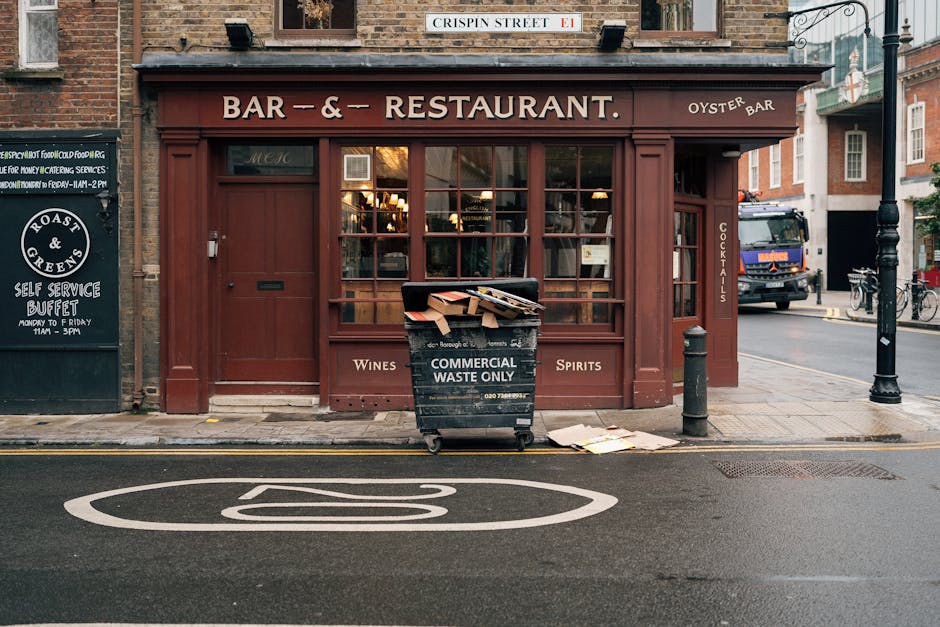
Westminster is one of those places where space is precious, traffic is constant, and everyone seems to be working on something at once. That matters if you are arranging a skip outside a property or coordinating a removal in Mayfair. In practical terms, a skip placed on a public road usually needs permission, and removal work often needs a careful plan for loading, access, timing, and parking. Easy in theory. Less easy when a narrow street fills up by 8am.
The reason this topic matters is simple: the wrong setup can lead to avoidable costs and delays. A skip without the right permit can be removed, the vehicle may not be able to stop where you expected, and your movers may lose time shuttling items through tight entrances or shared access points. In neighbourhoods like Mayfair, where building entrances may sit close to loading restrictions or residents' bays, the margin for error is small.
There is also a reputational side to it. If you are a landlord, managing agent, business owner, or even just someone trying to complete a house move smoothly, good planning signals competence. Neighbours notice, porters notice, and building managers certainly notice. To be fair, that can make the whole day a lot less stressful.
Practical takeaway: think of the permit and the removal plan as part of the same job. The skip, the van, the access route, the timings, and the clean-up all need to work together. If one piece is off, the whole day can wobble.
How Westminster permits for skips and Mayfair removals Works
The basic idea is straightforward. If you need to place a skip on private land, such as a driveway or courtyard, you may not need a public highway permit. If the skip will sit on a road, bay, or other public space, a permit is usually the point to check first. In Westminster, that usually means understanding whether the loading area is private or public, what restrictions apply, and whether the supplier handles the permit application or expects you to organise it.
For Mayfair removals, the same local reality applies in a different form. Removal teams need access, but access is often constrained by narrow streets, busy traffic, residential rules, and the usual London problem: not enough space for the vehicle you wish you had. A good removals plan considers lift availability, concierge rules, floor protection, item volume, and parking. The best operators do not just turn up. They arrive with a route in mind.
Here is the thing people often miss: a skip permit and a removals permit are not always the same thing, and the need for one does not automatically mean the need for the other. The legal or administrative requirement depends on where the vehicle or skip will stand, how long it will be there, and what the local restrictions are. If you are unsure, ask the supplier to confirm the likely arrangement in writing before the job date.
In many cases, the sequence looks something like this:
- Assess the property access and the amount of waste or furniture.
- Decide whether a skip, a removal van, a clearance team, or a mix is the best fit.
- Check if the skip or vehicle will use public road space.
- Confirm the loading/unloading plan and any timing constraints.
- Book the service with enough lead time for permits and access arrangements.
That may sound dull, but boring planning is often what keeps move day calm. And calm is underrated, honestly.
Key Benefits and Practical Advantages
Doing this properly gives you more than compliance. It gives you control.
- Fewer delays: if the access plan is clear, teams spend less time waiting for gaps in traffic or sorting out parking.
- Lower risk of fines or removal: a properly arranged skip is less likely to cause problems with enforcement.
- Better neighbour relations: noise, obstruction, and blocked pavements are less likely when the plan is tidy.
- More predictable costs: last-minute changes usually cost more than a well-planned booking.
- Safer handling: good access planning reduces the chance of accidents with heavy items, lifted furniture, or sharp waste.
Another benefit is psychological, and it is not trivial. If you have ever moved a flat in central London, you know the feeling of everything running on a knife-edge. One missing parking spot and the whole day starts to sag. A permit-aware, access-aware plan takes some pressure off. You can breathe a bit.
For businesses, there is a service quality angle too. Office clearances, refurbishments, and relocation work in Westminster often need tidy sequencing. That may involve a skip for bulk waste, a removal crew for furniture, and a follow-up after builders cleaning if the space is being handed back or reopened quickly. The cleaner the handover, the easier it is to keep operations moving.
Who This Is For and When It Makes Sense
This topic is relevant to a surprisingly wide group of people. If you are planning any of the following, it is worth paying attention:
- home movers in Mayfair or nearby Westminster streets
- landlords and letting agents managing end-of-tenancy turnover
- builders or decorators needing waste disposal during a project
- office managers arranging a suite clear-out or internal move
- householders dealing with a garden, loft, or garage clearance
- estates and concierge teams handling access on behalf of residents
It makes sense whenever the job involves bulk waste, heavy furniture, awkward access, or the possibility of blocking part of a street. If the work is small enough to fit in a few bags and a car boot, you probably do not need much more than standard planning. But once you start thinking, "Where will the van stand?" or "Can the skip stay there overnight?", you are already in permit territory.
One real-world pattern: people often book the removal service first and only later ask about access. That is backwards. In Westminster and Mayfair, access can shape the service, not the other way around. The street decides some of the terms, and that is just London for you.
Step-by-Step Guidance
Here is a sensible way to approach the job without making it more complicated than it needs to be.
1) Confirm the exact scope of the job
Start by separating waste, furniture, and items for donation or storage. A removal team and a skip serve different purposes. If you mix them in your head, you may order the wrong thing. That happens more often than people admit.
2) Check the access route
Look at entrance width, staircases, lifts, loading bays, and any barriers or key fob controls. If the property is in a mansion block or a managed building, ask whether the concierge or managing agent needs advance notice. A 30-second check can save an hour on the day.
3) Decide where the skip or van will stand
If the vehicle or skip is staying on public ground, treat that as a permit question. If it can sit fully on private land, that may simplify things. Still, confirm turning space and whether the item can be delivered and collected safely. A tight space that looks "probably fine" on paper can feel very different in person.
4) Build in time for permit processing
Do not leave it until the afternoon before. Even where a supplier can help, the admin should be handled early enough to avoid headaches. If the job depends on a specific day, book with a margin.
5) Plan the loading order
For removals, pack what goes first, last, and separately. For skips, sort bulky waste from anything that should not go in general disposal. This is also where a house clearance service can be useful if you want items removed systematically rather than left in scattered piles.
6) Protect the property
Floors, door frames, lifts, and communal hallways are easy to scuff. Use protection and make sure the team understands the route in and out. Good teams notice corners, thresholds, and those awkward narrow turns that look harmless until a wardrobe arrives.
7) Finish with a proper sweep-through
Once the skip or removals work is done, check the area for debris, broken packaging, screws, or dust. In Mayfair, a tidy finish matters. It is not just polite; it prevents complaints and keeps the building looking cared for.
Expert Tips for Better Results
After enough central London moves and clearances, a few habits stand out.
- Measure twice, book once. The size of the skip or vehicle should match the real job, not the hopeful version of it.
- Use photos early. A few clear pictures of access points, stairwells, and the load can help a provider spot issues before the day.
- Separate reusable items. If you have furniture or items worth donating or storing, keep them away from general waste from the start.
- Ask about timing windows. In Westminster, a short loading window can change the whole plan. Be realistic about the clock.
- Keep neighbours informed. A polite note or advance conversation often prevents friction later. People are much more forgiving when they know what to expect.
- Have a backup plan. If the lift fails, if parking is blocked, or if access changes, decide in advance who will make the call.
And here is a small but useful one: if you are also arranging a property refresh after the move, combine the schedule with a deep cleaning visit or a targeted service such as window cleaning. It is often easier to coordinate once the heavy lifting is done, rather than cleaning around boxes and dust.
Truth be told, the best move days feel almost unremarkable. No drama. No frantic calls. Just a steady sequence of tasks, one after the other, done properly.
Common Mistakes to Avoid
Most problems here are not dramatic. They are small, ordinary oversights that snowball.
- Assuming public-road access is automatic. It usually is not.
- Leaving the permit question until the last minute. That is where avoidable stress starts.
- Booking the wrong size skip or van. Too small means extra trips; too big can create access problems.
- Ignoring building rules. Managed properties may have their own procedures, time windows, or loading restrictions.
- Not checking what cannot go in the skip. Certain materials often need separate handling. If in doubt, ask before the waste is loaded.
- Forgetting about the clean-up. A good job does not end when the last box is carried out.
One mistake deserves special mention: people often over-focus on the vehicle and under-focus on the route. A van that is perfect in size can still be useless if the turning circle, bay length, or entrance angle is wrong. Sounds obvious. Yet it happens all the time.
Tools, Resources and Recommendations
You do not need a box of specialist equipment, but a few practical tools make things smoother:
- Measuring tape: check door widths, lift dimensions, and bulky item sizes.
- Phone camera: photos of access points help everyone work from the same picture.
- Simple inventory list: useful for removals, clearances, or storage decisions.
- Labels and marker pens: ideal for separating keep, donate, recycle, and dispose.
- Protective coverings: useful for floors, bannisters, and corridors.
On the service side, it can help to work with a team that understands both removal logistics and cleaning follow-through. For example, if you are clearing a flat, then preparing it for sale, let one plan lead into the next: clearance first, then cleaning, then any specialist work such as end of tenancy cleaning or one-off cleaning depending on the condition of the space.
If your job includes a lot of loose items, dust, or post-work residue, it may also be sensible to look at domestic cleaning or office cleaning as part of the broader plan. That kind of joined-up thinking tends to save time, and honestly, less backtracking is always welcome.
Law, Compliance, Standards, or Best Practice
When people talk about permits, they often jump straight to law. Fair enough. But in practice, the best results come from combining legal awareness with sensible operational habits. For Westminster permits for skips and Mayfair removals, the key point is to distinguish between private and public placement, follow local restrictions, and make sure the work does not create avoidable hazards.
Good practice usually includes:
- confirming whether the skip or vehicle will occupy public space
- checking any building, estate, or concierge rules in advance
- using appropriate insurance and safe working methods
- protecting walkways and communal areas
- keeping noise, obstruction, and waste handling under control
For anyone managing a move or clearance on behalf of others, documentation matters too. Keep booking confirmations, access notes, and any permit-related correspondence together. It is a small admin habit, but it can prevent crossed wires on the day.
Where waste is involved, best practice also means thinking about responsible disposal and sorting. Reuse, recycling, and safe handling should be part of the plan from the start. That is where a company with a clear recycling and sustainability approach feels more useful than one that just promises to "take it away". Because away is not a plan. It is just a direction.
As always, if anything seems unclear, ask for clarification before the job starts. It is much easier to adjust an arrangement on paper than to fix it on a busy pavement.
Options, Methods, or Comparison Table
Different jobs need different setups. Here is a practical comparison that may help you decide what fits best.
| Option | Best for | Advantages | Watch-outs |
|---|---|---|---|
| Skip on private land | Homes, courtyards, drives with space | Usually simpler; less public-space administration | Needs enough access and turning room |
| Skip on public road | Properties without private outdoor space | Convenient when waste volume is high | Permit requirements and timing limits may apply |
| Dedicated removals service | Furniture, household contents, office items | Good for lifting, carrying, and transport | Parking and access planning are essential |
| House clearance service | Mixed items, bulky contents, full or partial clear-outs | Efficient when sorting and disposal are needed | Needs clear instructions on what stays and what goes |
| Combined clearance plus cleaning | Moves, lettings, refurbishments, handovers | Cleaner finish and fewer separate bookings | Requires sequencing so the cleaning happens after the clutter is gone |
If you are unsure which route is best, look at the volume of items, the access constraints, and the deadline. Those three things usually tell the story. In a tight Mayfair mews, for example, a flexible removals plan may beat a bulky skip. In a larger property with renovation waste, the opposite may be true. Context wins.
Case Study or Real-World Example
Picture a small Mayfair apartment being emptied before refurbishment. The client has furniture to move, packaging waste from new fixtures, and a tight schedule because contractors are due the next morning. Not much room for error. The access route runs through a managed entrance, the street is busy, and the loading area is limited.
In that kind of scenario, the first step is not ordering the biggest skip possible. It is figuring out what actually needs to be removed, what can be reused, and what should be cleaned after the clearance. The movers might handle the bulky furniture, while the waste is placed in a smaller skip arrangement with the right permission if public space is involved. Once the items are out, the team can finish with a detailed clean so the next trade can walk in without dust on the skirting or debris in corners.
What tends to make the difference is coordination. A quick access check, a realistic load estimate, and a clear plan for the sequence. No heroics. Just tidy execution. By late afternoon, the flat smells less like old paper and dust, more like the beginning of a fresh start. That tiny shift matters more than people expect.
Practical Checklist
Use this before booking or on the day:
- Confirm whether the skip or van will use public space
- Check if a permit or permission is likely to be needed
- Measure entrances, lifts, stairs, and loading points
- Tell the building manager or concierge if required
- Estimate the real volume of waste or furniture
- Separate keep, recycle, donate, and dispose piles
- Protect floors and communal areas
- Set a realistic time window for loading and collection
- Arrange follow-up cleaning if the property needs to be left presentable
- Keep booking details and access notes in one place
That checklist is simple on purpose. The best systems often are.
Conclusion
Westminster permits for skips and Mayfair removals are really about one thing: making a complicated local job feel controlled. When you understand access, timing, space, and responsibility, everything becomes easier to manage. The permit is one piece. The removals plan is another. Together, they turn a stressful move or clearance into something organised, efficient, and far less likely to go sideways.
If you are planning a clearance, a move, or a property handover in Westminster or Mayfair, start with the practical details: access, permissions, waste volume, and the clean-up that follows. A little preparation now saves a lot of awkwardness later. And yes, the street will still be busy. That part does not change. But your day can still go smoothly.
Get a free quote today and see how much you can save.
Frequently Asked Questions
Do I need a permit for a skip in Westminster?
If the skip is placed on a public road or other public space, a permit is often required. If it stays entirely on private land, you may not need one. The exact arrangement depends on the property and the placement.
Are skip permits and removal permits the same thing?
Not necessarily. A skip permit relates to placing the skip in public space, while removals are about vehicle access, loading, and parking arrangements. They may overlap, but they are not always identical.
How far in advance should I arrange Westminster permits for skips and Mayfair removals?
As early as possible. Even if a provider can help with the process, leave enough time for access checks, admin, and any building approvals. Last-minute bookings are where stress sneaks in.
Can a removals van stop outside my Mayfair property for loading?
Sometimes, but it depends on local restrictions, the street layout, and whether the space is available for loading. In central London, you should always check before assuming a van can wait there.
What if my building has a concierge or managed entrance?
Tell them early and ask about their rules. Some buildings require booking lifts, protecting corridors, or using specific time windows. Managed access can actually make the job easier, as long as everyone knows the plan.
Is a house clearance better than hiring a skip?
It depends on what you are removing. A house clearance is better if you want items sorted and taken away in one organised service. A skip can be useful for bulk waste, especially during a renovation or major tidy-out.
What happens if I book the wrong size skip or vehicle?
You may face extra trips, extra cost, or access problems. It is worth being conservative but realistic. If in doubt, ask for guidance based on photos or a rough inventory.
Can I combine removals with cleaning?
Yes, and in many cases that is the smartest route. Once furniture or waste is gone, services like house cleaning or more detailed cleaning can finish the job properly.
What should I do before the movers arrive?
Clear access routes, label items, protect fragile things, and make sure keys or fobs are available. A quick walk-through the night before helps more than people think.
Are there special concerns for office clearances in Westminster?
Yes. Office buildings often have shared access points, lift bookings, and time restrictions. It can also help to plan a clean finish afterwards, especially if the space is being handed back or refurbished.
How do I reduce the chance of delays on moving day?
Check access, confirm parking or loading details, keep the load list simple, and build in a bit of buffer time. Small delays are normal; cascading delays are what you want to avoid.
What if I am not sure whether I need a skip at all?
Ask yourself how much is going, what type of material it is, and whether it needs sorting. For many smaller jobs, a removal or clearance service may be more practical than a skip. If you are on the fence, getting advice before booking is the sensible move.
If you want to compare service options, check the company's pricing and quotes information, then review the terms and conditions so you know exactly what is included. A little clarity now saves awkward conversations later.
For questions about service availability or to discuss a tailored job, you can also use the main site through about the company and contact us. If you prefer to understand safety expectations first, have a look at the insurance and safety information as well.